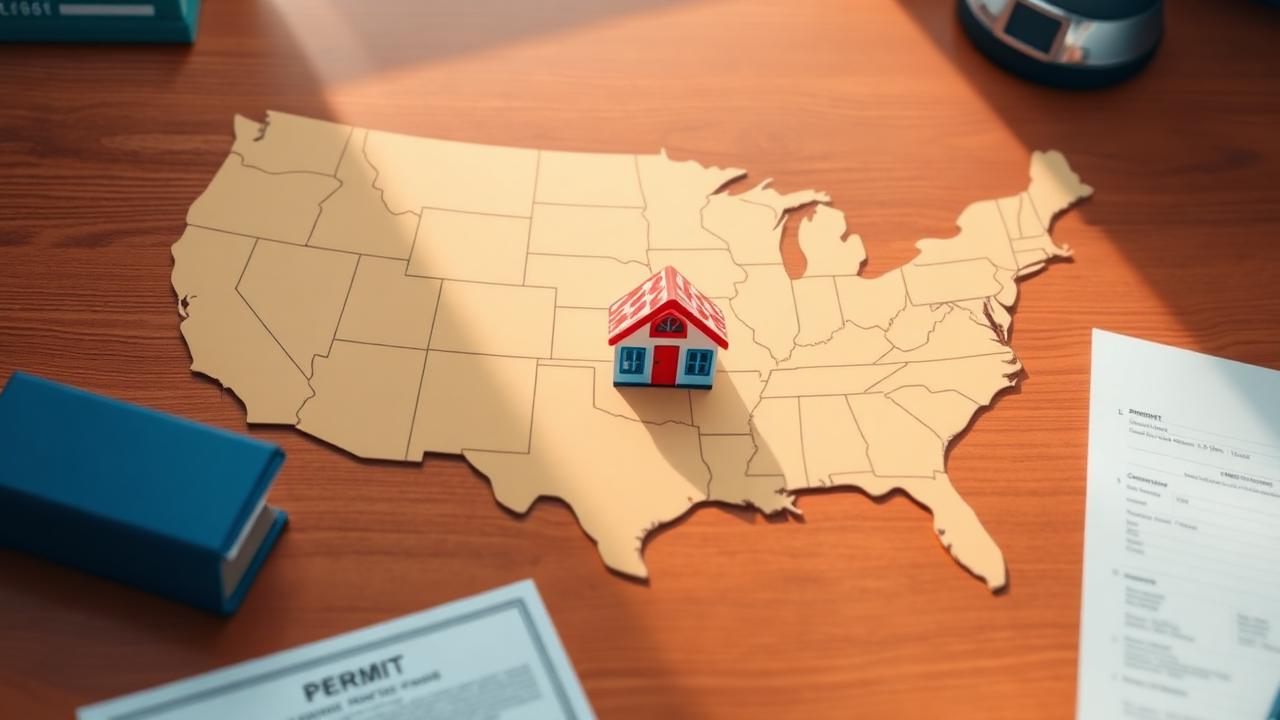
I once had an operator from Pennsylvania message me, panicked, because a state inspector showed up at his Saturday gig and shut him down. He had been running for three years and had no idea his state required annual inspections. The fine was $1,200 and he lost five future bookings while he scrambled to comply. Do not be that operator. Find your state below before you book your next event.
Rules change. Always confirm with your state's labor department or department of agriculture (the two agencies that usually handle amusement ride oversight) before you rely on this guide. We update it twice a year but states pass new rules quietly.
States with active inspection programs
These states require some combination of permits, annual inspections, operator licenses, or device registration. Operating without compliance can mean fines from $500 to $5,000 per incident plus immediate shutdown.
| State | Agency | What is required |
|---|---|---|
| Pennsylvania | PA Dept of Agriculture | Annual third party inspection. Permit fee per device. Operator must register. |
| New Jersey | NJ DCA Carnival Amusement Ride Safety | Annual inspection by certified inspector. Permit per ride. Operator certification. |
| New York | NY Dept of Labor | Inspection before each operating season. Operator permit required. |
| Florida | FL Dept of Agriculture | Annual inspection sticker. Permit per device. Insurance proof on file. |
| California | Cal/OSHA Amusement Ride and Tramway | Annual inspection. Operator certification for permanent locations. Bond required for some setups. |
| Texas | Texas Dept of Insurance | Insurance certificate registration. No formal inspection but proof of $1M coverage required. |
| Maryland | MD Dept of Labor | Annual inspection. Permit per device. Reportable injury rules. |
| North Carolina | NC Dept of Labor Elevator and Amusement Device | Annual inspection. Operator certification. Device registration. |
| Ohio | Ohio Dept of Agriculture | Annual permit and inspection. Operator certification through state approved course. |
| Michigan | MI LARA Carnival Amusement Safety | Annual inspection. Permit per device. Bond required. |
| Massachusetts | MA Dept of Public Safety | Annual inspection. Operator permit. Setup notification before each event. |
| Virginia | VA Dept of Housing and Community Development | Annual inspection. Permit per device. |
| Wisconsin | WI Dept of Safety and Professional Services | Annual inspection. Permit per device. |
| Illinois | IL Dept of Labor Carnival Amusement Ride Safety | Annual inspection. Operator certification. Device registration with state. |
Even in inspection states, certified third party inspectors do most of the actual work. The state usually accredits a list of inspectors and you book directly. Cost runs $75 to $200 per device per year. Worth budgeting in your insurance line.
States with limited or no statewide rules
These states have minimal or no statewide inspection requirements as of 2026. That does not mean you are off the hook. Many cities and counties have local rules even when the state does not, and your insurance carrier may require a third party inspection regardless of state law.
- Alabama, Alaska, Arizona, Arkansas, Colorado, Connecticut, Delaware, Georgia, Hawaii, Idaho, Indiana, Iowa, Kansas, Kentucky, Louisiana, Maine, Minnesota, Mississippi, Missouri, Montana, Nebraska, Nevada, New Hampshire, New Mexico, North Dakota, Oklahoma, Oregon, Rhode Island, South Carolina, South Dakota, Tennessee, Utah, Vermont, Washington, West Virginia, Wyoming.
Operating in a no inspection state does not mean operating without rules. ASTM F2374 still applies as the standard of care, your insurance still requires you to follow manufacturer specs, and a serious injury still ends in court. Inspection or not, run your operation like an inspector is watching.
City and county requirements that catch operators off guard
- Park permits: most public parks require a special event permit and proof of insurance to set up an inflatable. Filing fees usually $25 to $150.
- School district permits: most schools and districts have their own approved vendor list. Get on it before you pitch them.
- Special event permits for street fairs, festivals, parking lot events. Issued by the city, often takes 2 to 4 weeks.
- Health department permits for foam, water, and concession setups in some counties.
- Fire marshal sign off for indoor inflatable setups in any building over 1,500 square feet (gyms, halls, churches).
How to get inspected and stay compliant
- Step 1: Find your state's amusement ride agency (links above). Call them and ask 'what do I need to legally rent inflatables in this state?'
- Step 2: If inspections are required, find an accredited inspector. Most states maintain a public list. Schedule the inspection during the off season (November to February) so you are not losing weekends.
- Step 3: Pay the per device permit fee. Keep the inspection sticker on each unit visible to inspectors and customers.
- Step 4: Register your operator license if your state requires one. Some states (Ohio, Pennsylvania) require a one day class.
- Step 5: Renew everything annually. Set a calendar reminder for 60 days before expiration so you never lapse.
- Step 6: Carry your inspection sticker, insurance certificate, and operator card in a folder in your truck. Inspectors can show up anywhere, anytime.
What happens if you get caught operating without a permit
- First offense in most inspection states: $500 to $1,500 fine plus immediate shutdown of the event.
- Repeat offense: $2,500 to $5,000 plus possible loss of operator privileges in that state.
- Operating after a state issued shutdown order: criminal charges in some jurisdictions.
- Insurance impact: most carriers will deny a claim that occurs while operating outside state requirements. Worst case scenario, you eat the entire injury claim personally.
Bottom line
If you operate in one of the 14 inspection states, get compliant before your next booking. The cost of an annual inspection ($75 to $200 per device) is nothing compared to one shutdown. If your state has no formal inspection, follow ASTM F2374 anyway and document everything. Your insurance carrier and a future jury will thank you.