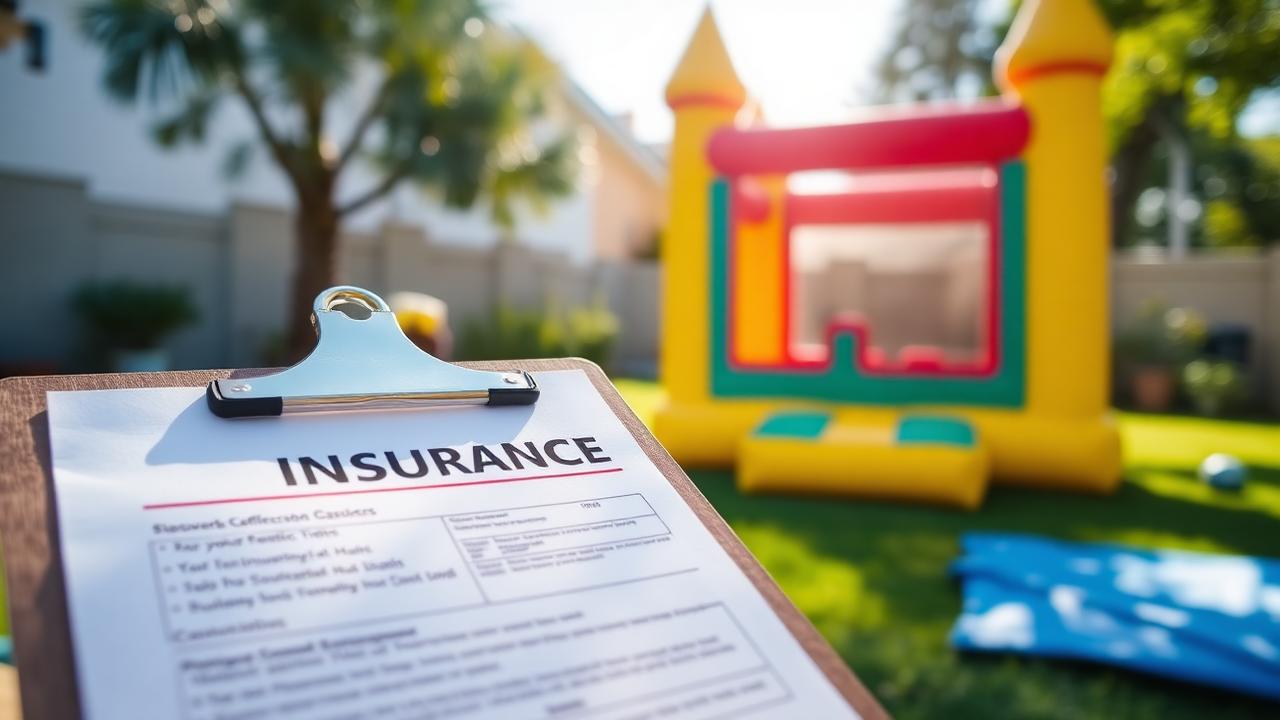
When I was getting started, the first quote I got back was $4,200 a year and I almost quit before I bought my first inflatable. Then I learned that quote was for the wrong policy from a broker who barely understood our industry. The right policy ended up costing me less than half of that. Insurance is the single most confusing part of starting a party rental business, and it is also the one area where guessing wrong can wipe you out in a single accident.
This is an independent guide. We have no kickbacks, no affiliate links, and no paid placements with any carrier or broker. Numbers below were pulled from operator surveys and direct quotes in early 2026.
What you will actually pay in 2026
Premiums vary by state, claims history, the size of your operation, and the kind of equipment you run. Wet equipment (water slides, slip and slides, foam) usually bumps your rate. Dry equipment (bounce houses, combos without slides, tents) is the cheapest to insure.
| Operator size | Typical annual premium | Typical coverage |
|---|---|---|
| 1 to 3 inflatables, dry only | $650 to $1,200 | $1M per occurrence, $2M aggregate |
| 4 to 10 inflatables, mixed wet and dry | $1,200 to $2,400 | $1M per occurrence, $2M aggregate |
| 10 to 25 inflatables | $2,400 to $4,500 | $1M to $2M per occurrence |
| 25+ inflatables, multiple trucks | $4,500 to $9,000+ | $2M+ per occurrence, $4M aggregate |
| Add equipment coverage (per $10k of gear) | +$150 to $300/yr | Replacement value or actual cash value |
| Add commercial auto (per truck) | $1,800 to $3,200/yr | $1M combined single limit |
If a quote comes back under $600 for a real commercial general liability policy with $1M limits, read it carefully. It is almost always either a homeowner policy rider (which will not cover you) or it has exclusions that gut the coverage when you actually need it.
The carriers that actually write our industry
Most standard small business insurers will not touch inflatable rentals. The list of specialty carriers and brokers below have been writing party rental policies for years and understand the risk. All of them are listed in our independent service provider directory, no paid placements.
- Cossio Insurance Agency, one of the most recognized names in inflatable insurance. They quote fast, they understand wet equipment, and they will write policies for operators with claims history.
- XINSURANCE, custom policies for operators turned down by standard carriers. Higher premiums but they will write almost anyone.
- OVD Insurance, broad coverage for inflatables, tents, mechanical rides. Strong in the Midwest and Southeast.
- SafePark USA, often used by operators running inflatable parks or larger events.
- Skyscraper Insurance, growing fast in our space, competitive on multi-unit policies.
- Britton Gallagher, specializes in amusement and event coverage, good for operators adding mechanical bulls or rock walls.
- Thimble, on-demand event policies. Useful as a backup for one-off corporate gigs but not a fit for full-time operators.
What your policy actually needs to include
- Commercial General Liability with $1M per occurrence and $2M aggregate, this is the floor. Most schools, churches, parks, and HOAs will not let you set up without it.
- Products and completed operations coverage, this is what protects you after the event ends and a kid claims an injury weeks later.
- Inflatable amusement device coverage written into the policy by name, generic recreational equipment language is not enough.
- Wet inflatable rider if you rent water slides or slip and slides. Most carriers exclude wet by default.
- Additional insured endorsements, you will need to add venues (parks, schools, churches) as additional insured for almost every commercial gig. Make sure your policy allows unlimited additional insureds without per-certificate fees.
- Equipment coverage (separate from liability), pays to replace your gear if it is stolen, damaged, or destroyed in a fire or storm.
- Commercial auto coverage on every vehicle that hauls equipment. Personal auto policies almost always exclude commercial use.
If your customer asks for a Certificate of Insurance (COI), your carrier should be able to issue one within 24 hours, often instantly through their portal. If your broker says it takes a week, find a new broker.
How to lower your premium without cutting coverage
- Pay annually instead of monthly, most carriers give a 5 to 10% discount.
- Bundle equipment, liability, and auto with the same carrier when you can.
- Document your safety program (operator training, daily checks, anchor logs). Some carriers offer a discount for this.
- Stay claim free. After 3 years with no claims, your premium can drop 10 to 20%.
- Avoid mechanical rides and high-risk gear (rock walls, mechanical bulls, trackless trains) until you have at least 2 years in business. They spike your rate hard.
- Get quotes from 3 carriers minimum every renewal. Premiums move year to year and loyalty does not get rewarded.
What is not covered (and what bites operators)
- Wind related collapses if your policy excludes them. Most carriers cap wind coverage at 15 to 20 mph and require operators to take down inflatables above that. If you leave one up in a 25 mph gust and it tips, you may eat the entire claim.
- Improper anchoring. If the inspector finds fewer than the manufacturer required stakes or sandbags, the claim can be denied.
- Operating without trained attendants. Schools and parks now ask for proof.
- Subcontractors not named on your policy. If you 1099 a delivery crew and they cause an accident, your policy may not cover them.
- Equipment in unattended storage units that are not fire rated or do not meet your equipment coverage requirements.
Bottom line
Plan to spend $1,200 to $2,400 a year for a real policy in your first 2 years. Quote with at least 3 specialty carriers, get the inflatable amusement device language in writing, never pretend you do not run wet equipment if you do, and treat your COI process like part of your sales pipeline. The goal is not the cheapest policy, it is the policy that actually pays out the day you need it.