
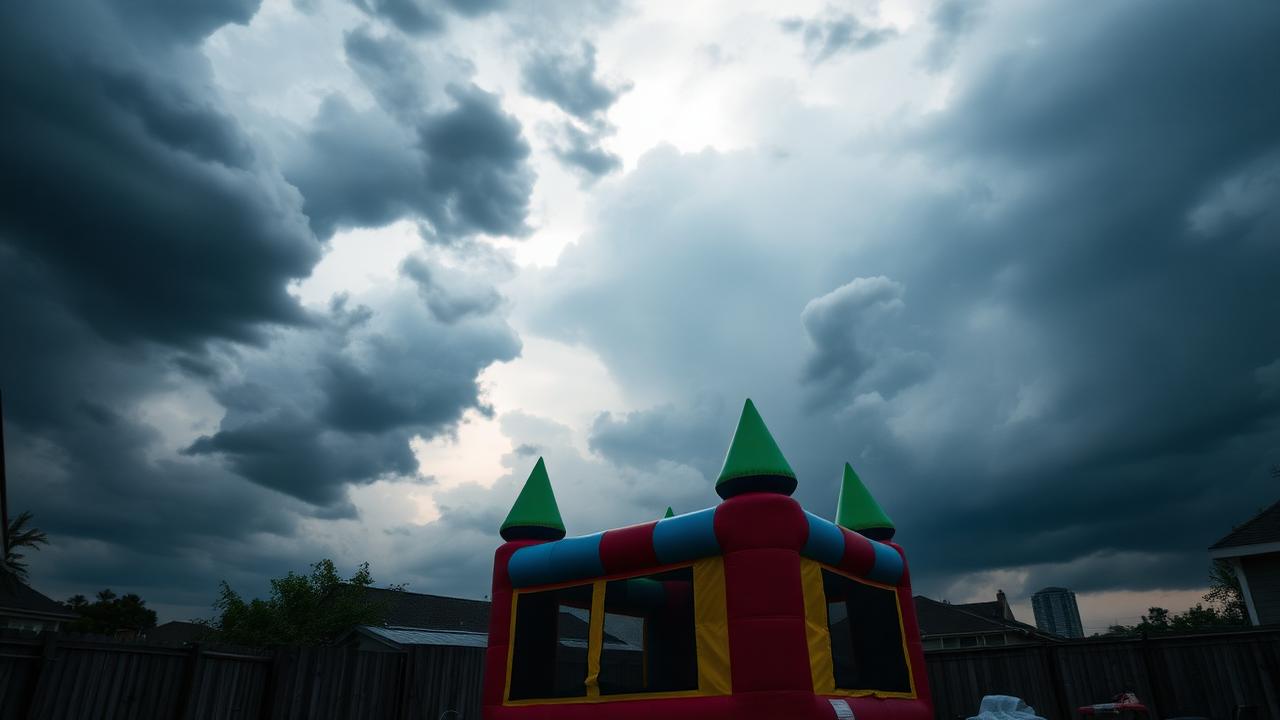
There is nothing worse than waking up at 6am on a Saturday, looking at the radar, and realizing you have eight bookings and a 70 percent chance of thunderstorms. The first time it happened to me I lost sleep for two nights, refunded everyone in cash, and ate the labor cost. The second time, I had a real policy in writing and it took me about ten minutes to handle every customer. Weather is going to happen. The question is whether your contract is ready for it.
The two policies that actually work
There are two operator approaches that hold up over time. Pick one and stick to it, going back and forth on a case by case basis is how you end up with bad reviews.
| Policy type | How it works | Best for |
|---|---|---|
| No refund, free reschedule | Customer can move the booking to any open weekend within 12 months. No cash back. Deposit applies to the new date. | Most residential operators. Protects revenue, keeps customers happy, eliminates the refund argument. |
| Refundable deposit minus operator costs | If you cancel for safety reasons (wind, lightning, severe storms), customer gets a full refund. If customer cancels, they forfeit a flat fee ($50 to $100) for booking opportunity cost. | Operators in markets with frequent weather (Florida, Gulf Coast, Midwest spring) where customers expect flexibility. |
Whichever policy you pick, put it in your contract, put it on your booking page, and read it out loud during the booking call. Customers should hear the policy three times before they sign.
Wind and lightning thresholds you can defend
ASTM F2374 sets the standard for inflatable use. The number every operator should know is 25 mph sustained wind. Above that, every commercial inflatable manufacturer instructs operators to take the unit down. Some carriers cap their coverage even lower (15 to 20 mph) so check your policy.
- Sustained winds above 20 mph: take down dry inflatables.
- Sustained winds above 15 mph: take down tall units (combos with slides, double lane water slides, anything with a roof).
- Lightning within 10 miles: clear the inflatable, period. No exceptions.
- Heavy rain (over 0.5 inch per hour): wet inflatables become slip hazards. Take them down or shut them off.
- Temperatures under 50 degrees Fahrenheit: water slides are off the table, kids will not get in and parents will be unhappy.
When you take an inflatable down for safety, document it. Take a photo of the radar, photo of the wind reading on your phone, and a quick video of the takedown. If a customer disputes later, this evidence wins every time.
Copy and paste weather policy
Drop the policy below into your contract and your booking page. Update the company name and adjust the deposit amount to match your standard. Have a real attorney in your state review it before you start using it on contracts.
Weather Policy: Your safety is our priority. If [Company Name] determines, in our sole discretion, that weather conditions (sustained winds above 20 mph, lightning within 10 miles, severe storms, or unsafe ground conditions) make the rental unsafe, we reserve the right to cancel or end the rental at any time without refund of the rental fee, however your deposit will be transferred to a new date within 12 months at no additional charge. If the customer chooses to cancel due to weather forecasts before delivery, the deposit is non refundable but will be applied to a future rental within 12 months. Once equipment has been delivered and set up, no refunds will be issued.
How to handle the actual cancellation call
- Call the customer the morning of the event by 7am if the forecast is bad. Do not text first, calling shows you care.
- Lead with safety, not money. 'I am watching the radar and I am worried about your kids being on the inflatable when those storms move through.'
- Offer the reschedule first. Always. Hand them three open dates in the next 60 days.
- If they push back hard, ask what would feel fair to them. Most customers ask for less than you would offer.
- Send a follow up text with the new date and the radar screenshot. The radar is the universal peace maker.
What to do when the forecast is wrong
This is the hardest call. The forecast says 80 percent chance of storms, you cancel, and the day turns out beautiful. Or you deliver because the forecast is clear, and a freak storm rolls in at noon. Both happen. The way you handle it makes or breaks your reputation.
- If you cancelled and the day was fine, send the customer a text in the afternoon: 'Hope you all had a great day. So glad we kept everyone safe, and looking forward to your reschedule.' Take the high road every time.
- If you delivered and storms rolled in, get there fast, take it down, refund the unused portion (or apply it to a future rental). Never argue. The customer paid for an experience, not a damp inflatable in their backyard.
- Track your cancellation rate. If you are cancelling more than 4 to 5 percent of bookings due to weather, your forecast triggers may be too conservative. If you are delivering and shutting down on site more than 2 percent, you are not watching the radar carefully enough.
The mistake that costs operators their business
Trying to make every customer happy with a custom refund every time. The minute you start refunding cash on a no refund policy, every other customer expects the same. Be consistent. Pick a policy, write it down, train yourself to repeat it word for word, and never bend it. Customers respect a clear policy more than they respect a soft one.