
I learned this the hard way. My second summer in business I sprayed a bleach solution on a brand new $3,800 combo because a kid got sick inside it. Two months later the vinyl had hard yellow patches and the seams started splitting at the corners. The manufacturer told me on the phone what every operator eventually finds out: bleach destroys vinyl. The fix is not stronger chemicals. The fix is the right routine.
Inflatables are a kid product first and a piece of equipment second. Parents are paying for entertainment but they are also trusting that what their kid is climbing into is clean. After 2020 the bar went up permanently. If you cannot show a parent how you clean your gear, you will lose the booking to the operator who can.
The goal is two things: protect the kids, and protect the vinyl. Most cheap cleaners do one well and the other terribly. The supplies and process below cover both.
What is actually living on a dirty inflatable
After a 4 hour birthday party with 15 to 20 kids, your inflatable has skin oil, sweat, sunscreen, juice spills, ice cream, dirt from socks, mucus, and almost always some amount of saliva. After a school or church event with 100 plus kids, multiply that by 8. Studies on inflatable play surfaces have found everything from staph and strep to E. coli and norovirus when the surface was not cleaned between events. This is not scare talk. It is the reason cleaning matters.
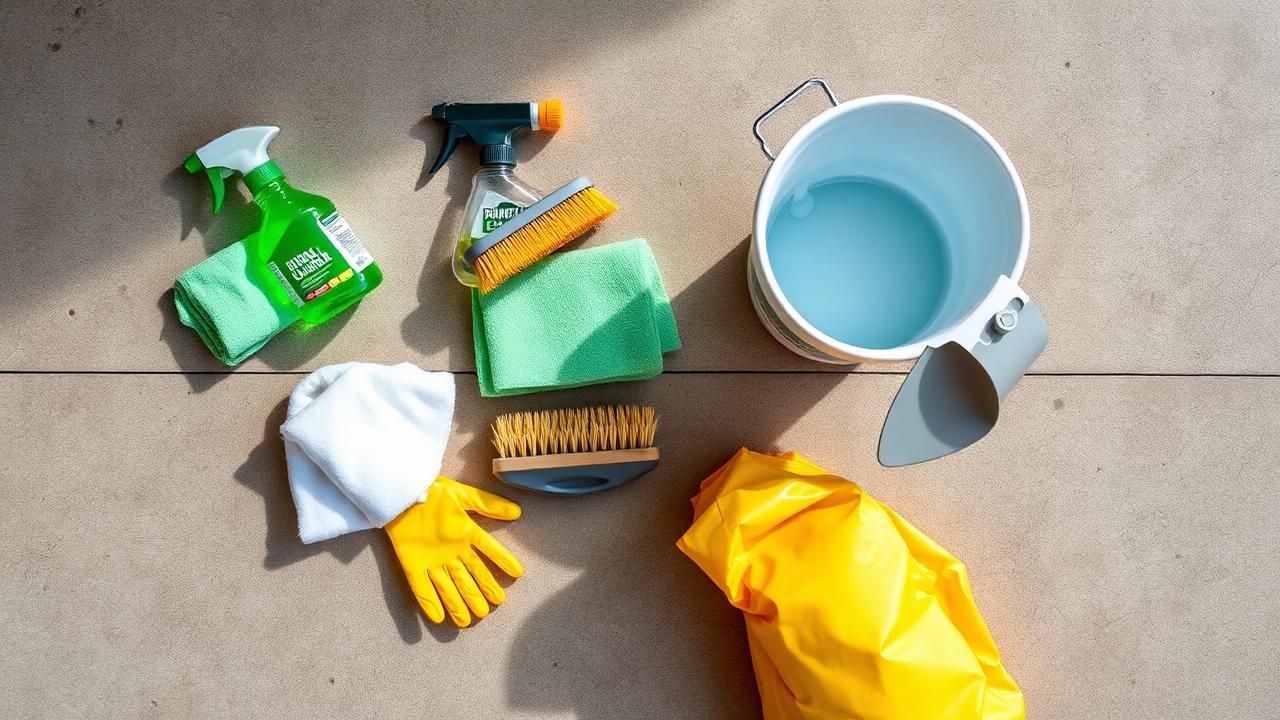
The supplies you actually need
1. A safe disinfectant cleaner
This is the heart of the kit. You want something on the EPA List N (proven to kill SARS CoV 2 and similar viruses) that is also safe for vinyl and PVC. The three that have become the industry standard for party rental operators:
- Bioesque Botanical Disinfectant Solution. Plant based, kills viruses and bacteria in 45 to 60 seconds, food contact safe, and safe for vinyl. About $25 a gallon and dilutes 1 to 64 for routine cleaning. This is what most established rental companies in the industry use.
- Simple Green Clean Finish Disinfectant. Hospital grade, EPA registered, and ready to use straight from the bottle. About $10 a quart. Less concentrated than Bioesque but easier for new operators because there is no mixing.
- Vital Oxide. Hydrogen peroxide and chlorine dioxide based, no rinse, fragrance free, and safe on most surfaces including vinyl. Kills mold and mildew which is huge if you ever have to store gear damp. About $30 a gallon.
2. A general purpose vinyl safe cleaner
For the dirt and stains that disinfectant alone will not lift. Mild dish soap (Dawn) mixed with warm water at about 1 tablespoon per gallon is what most manufacturers recommend. For stubborn stains, 303 Multi Surface Cleaner is the gold standard for vinyl care, used heavily in the marine and RV industries. About $12 for a 16 oz spray bottle.
3. Soft tools only
Anything stiff will scuff the print and shorten the life of the vinyl. Stick with these:
- Soft bristle deck brush with a long handle. About $15 at Home Depot.
- Microfiber towels in 12 packs. Dedicate one color to disinfectant and a different color to general cleaning so you do not cross contaminate. About $20 for 24.
- 5 gallon bucket and a separate spray bottle for diluted disinfectant. Label them clearly.
- A leaf blower or shop vac for blowing out crumbs, hair, and debris before you start the wet cleaning. This step alone cuts your cleaning time in half.
4. PPE for you
- Nitrile gloves. Cheap and protects your hands from both chemicals and whatever the kids left behind.
- Eye protection if you are using a spray applicator at any volume.
- A simple dust mask if you are working in an enclosed space or using anything stronger than dish soap.
5. Optional but worth it once you grow
- Electric pump up sprayer (Chapin or similar). $50 to $80. Cuts disinfectant application time from 20 minutes to 5 on a large unit.
- Wet dry vac with a soft brush attachment for sucking up standing water and getting deep into corners.
- Fold flat drying mats or tarps so you can clean and dry off the concrete floor of your storage unit.
What NOT to use, ever
Most of the damage I see on used inflatables is not from kids. It is from operators using the wrong chemicals. The list below will void your warranty and shorten the life of your gear by years.
- Bleach (sodium hypochlorite). Yellows the vinyl, weakens the seams, and breaks down the print. Even diluted, repeated use will destroy a unit in 1 to 2 seasons.
- Ammonia and ammonia based glass cleaners (Windex). Strips the protective coating off the vinyl and dries it out.
- Pine Sol, Lysol concentrate, and other strong solvent cleaners. Same problem as ammonia plus they leave a residue kids can react to.
- Acetone, paint thinner, gasoline, mineral spirits. People do try this on tough stains. Do not. They literally dissolve the vinyl.
- Stiff brushes, scouring pads, and steel wool. They scuff the print and create micro tears that grow into real damage.
- Pressure washers above 1,200 PSI or held closer than 24 inches. They blow apart seams and force water into the inner air chambers where it cannot dry out and grows mold.
- Dishwasher detergent, laundry detergent with bleach, oxiclean. All too harsh for vinyl over time.
The step by step cleaning process
Step 1: Inspect and dry blow first
Before you put any water on the unit, inflate it fully and walk every surface looking for damage. Then use a leaf blower to blow all loose debris (hair, crumbs, leaves, sand) out of the corners and the jump area. Skipping this step turns dry crumbs into wet paste that smears across the unit when you start cleaning.
Step 2: Spot treat stains
Hit any visible stains (juice, ice cream, mud, makeup, blood, vomit) with the dish soap and water mix or 303 cleaner. Let it sit for 2 to 3 minutes. Scrub gently with the soft brush in a circular motion. Rinse with a damp microfiber towel. Do this BEFORE you disinfect, because most disinfectants are not formulated to lift heavy organic stains.
Step 3: General wash
Mix dish soap and warm water in your bucket. Wipe down every surface kids touched: the jump area floor, all the walls (inside and out), the slide bed, the entry steps, and the netting. Use the soft brush for textured areas. Rinse with clean water using a fresh microfiber towel. Do not soak. Damp wipe is what you want.
Step 4: Disinfect
Mix your disinfectant per label instructions (Bioesque is 2 oz per gallon for routine, 4 oz per gallon after a sick child or messy event). Spray every interior surface so it stays wet for the contact time on the label, usually 1 to 10 minutes. Do not wipe off Bioesque or Vital Oxide. They are no rinse. If you use bleach (do not), you would have to rinse, which is one of the reasons it is the wrong tool.
Step 5: Air dry, fully
This is where most operators screw up. The unit must be 100 percent dry before you fold it. Even slightly damp vinyl folded into storage will grow mold within a week, and mold once it starts is almost impossible to fully remove. Leave the blower running for 30 to 45 minutes after cleaning, then deflate, flip, and dry the underside. In humid climates, run a fan over the folded gear for 12 to 24 hours before you load it onto the truck.
Pressure washer vs garden hose: what to actually use
This is the debate every operator has by year two. Pressure washers feel faster and they look more thorough, but they cause more damage to inflatables than almost any other tool in the industry. A garden hose handles 95 percent of what you need. Here is the honest breakdown.
| Garden hose with spray nozzle | Pressure washer | |
|---|---|---|
| Water pressure | 40 to 80 PSI at the nozzle | 1,500 to 4,000 PSI even on the lowest setting |
| Risk to seams and stitching | Almost none | High. Will pop seams, peel printed graphics, and tear netting if held too close |
| Risk of water inside air chambers | Low | High. Forces water through small seam gaps where it cannot dry out and breeds mold |
| Speed | 20 to 30 minutes per unit | 10 to 15 minutes per unit |
| Cost | $30 hose plus $15 nozzle | $200 to $600 unit, plus gas or electric, plus storage space |
| Cleaning power on stuck on dirt | Needs a soft brush plus dish soap. Works fine. | Powerful but overkill for what is normally on an inflatable |
| Manufacturer warranty impact | No issue | Most manufacturers will void the warranty if they see pressure washer damage on a return |
| Best for | Every routine clean. The right tool for 95 percent of the job. | Outside surfaces of trailers, concrete pads, generators. Not the inflatable itself. |
If you already own a pressure washer and want to use it on inflatables, set it under 1,200 PSI, use the widest fan tip (40 degree green tip), hold it at least 24 inches away from the surface, and never aim it at a seam, a print, or netting. Even then, a hose is the safer call.
The honest middle ground
Use a garden hose with a basic adjustable spray nozzle for the inflatable itself. Save the pressure washer for the things around the inflatable: your trailer, your generators, the concrete pad you set up on, and the outside of your work truck. That is where pressure washers earn their cost. The minute you point one at vinyl you start shortening the life of a $3,000 piece of equipment to save 5 minutes of cleaning time. The math does not work.
If you are dealing with caked on mud after a wet event, soak the area first with dish soap and water for 5 minutes, then rinse with the garden hose. The soap does the work, not the pressure. This is how the manufacturers themselves clean returns at the factory.
When to clean: a realistic schedule
| Situation | Cleaning level |
|---|---|
| Standard birthday party (10 to 20 kids, no incidents) | Dry blow, spot treat, full wipe down with disinfectant. 20 to 30 minutes per unit. |
| Large school or church event (50 plus kids) | Full deep clean: dry blow, spot treat, dish soap wash, rinse, full disinfectant spray with 10 minute dwell. 45 to 60 minutes per unit. |
| Sick child, vomit, blood, or fecal matter | Take the unit out of rotation. Deep clean twice with double strength disinfectant. Air dry 24 hours. Inspect for staining or odor before relisting. |
| Water slide or wet unit | Same as deep clean plus extra emphasis on drying. Mold risk is highest on water gear. |
| End of season storage | Full deep clean, 48 hour air dry minimum, talc powder lightly on folds to prevent vinyl from sticking to itself, store off the floor on pallets. |
Cleaning kit shopping list
Here is exactly what to buy to set up a complete kit. Total cost: about $180 to $220 for a 1 to 3 unit operation. Replenish disinfectant and towels monthly.
| Item | Approx cost | Where to buy |
|---|---|---|
| Bioesque Botanical Disinfectant 1 gallon | $25 | Amazon, Bioesque direct, restoration supply stores |
| Simple Green Clean Finish 1 quart (backup) | $10 | Home Depot, Amazon |
| 303 Multi Surface Cleaner 16 oz | $12 | Amazon, marine supply stores |
| Dawn dish soap large bottle | $8 | Any grocery store |
| Soft bristle deck brush with long handle | $15 | Home Depot, Lowes |
| Microfiber towel 24 pack (two colors) | $20 | Costco, Amazon |
| Two 5 gallon buckets (label them) | $8 | Home Depot |
| Spray bottles (3 pack, label them) | $10 | Amazon |
| Nitrile gloves 100 count box | $15 | Amazon, Sam's Club |
| Leaf blower (electric, cordless) | $80 to $120 | Home Depot, Lowes |
| Chapin pump up sprayer 1 gallon (optional) | $50 | Tractor Supply, Amazon |
Buy your Bioesque or Vital Oxide in 5 gallon pails once you are running 5 plus events a week. Per gallon cost drops by 40 percent and you stop running out mid weekend.
How to talk about cleaning with customers
Cleaning is a marketing weapon if you use it right. Add a 'How we clean our equipment' page to your website. Take a 30 second phone video of your routine and post it on Instagram and Facebook every couple of months. When customers ask how you clean (and they will, especially after 2020), have a confident one minute answer ready: 'Every unit is fully wiped down and disinfected with a hospital grade botanical cleaner before and after every event. We use Bioesque, the same product daycares and pediatric clinics use, because it kills viruses and bacteria but is safe for kids to be on right after.'
That answer alone has won me bookings against operators who came in $50 cheaper. Parents do not want the cheapest. They want to feel safe. Show them you take this seriously and you win the call.
Bottom line
Cleaning your inflatables is not optional and it is not the place to cut corners. Spend $200 on the right kit, build a 30 minute routine you do after every event, and never let a damp unit go into storage. The operators with 8 and 10 year old units that still look new are the ones who took cleaning seriously from day one. The operators replacing gear every 3 years are the ones who learned this lesson the expensive way. You do not have to be one of them.